English
Views: 0 Author: Site Editor Publish Time: 2026-06-10 Origin: Site
Many homeowners buy composite boards expecting a zero-maintenance miracle. We need to debunk this myth right now. Wood-Plastic Composite requires far less upkeep than traditional timber. You never have to sand, stain, or seal your boards. However, establishing a baseline cleaning routine remains absolutely vital for longevity. Proper maintenance goes beyond simple aesthetics. It serves as a critical requirement for protecting your long-term investment and preserving manufacturer warranties. Neglecting basic care invites organic buildup and surface degradation over time. In this comprehensive guide, we cover everything you need to know. You will learn the best practices for baseline cleaning and targeted stain removal. We outline exactly which tools work best for the job. We also explore how selecting high-quality materials directly impacts your overall maintenance frequency. By the end, you will possess a clear, actionable roadmap for keeping your outdoor space pristine year after year.
Routine sweeping and semi-annual deep cleans prevent organic buildup and surface degradation.
Using unapproved chemicals (like chlorine bleach) or high-pressure washing can permanently damage the composite cap and void warranties.
Targeted treatments (e.g., oxalic acid for rust, degreasers for grease) are required for specific stain types.
Choosing advanced board types directly dictates your long-term maintenance burden.
Investing time in maintaining your Outdoor WPC Decking delivers measurable returns. Regular upkeep fundamentally extends the lifespan of your materials. It also guarantees you remain compliant with strict manufacturer guidelines. Many property owners completely overlook how minor debris causes permanent long-term damage.
Dirt, sand, and tiny rocks act like heavy-grit sandpaper under your feet. Every time you walk across a dirty deck, you create micro-abrasions. These tiny scratches dull the beautiful surface finish over time. Furthermore, organic matter poses a severe structural threat. Wet leaves, pine needles, and heavy pollen trap moisture directly against the boards. If left untouched, this organic sludge encourages rapid mold growth. It can even degrade the plastic polymers binding the composite wood fibers together. A simple weekly sweep prevents this premature breakdown.
You must read your manufacturer warranty document carefully. Many people unknowingly void their protections by using improper maintenance techniques. Common warranty-voiding errors include:
Using heavy metal shovels to clear winter snow.
Applying petroleum-based sealants to "restore" a faded color.
Scrubbing the textured surface using abrasive chemical solvents.
These harsh actions permanently alter the protective composite capping. Once you compromise the outer shell, destructive moisture penetrates the sensitive core. Manufacturers will immediately deny warranty claims if they detect this type of chemical or mechanical damage.
When evaluating your maintenance strategy, look at the annual financial impact. Cleaning your composite boards costs very little money. A high-quality, pH-neutral cleaner and a reliable soft brush cost under fifty dollars. You spend maybe two hours twice a year applying the solution. Contrast this reality against maintaining traditional wood. Wood decks demand expensive chemical stains, heavy specialized sanders, and toxic paint strippers. You lose an entire summer weekend to grueling physical labor. Composite materials shift your burden from expensive, recurring renovations to simple, predictable cleaning sessions.
Using the wrong tools will destroy your deck faster than outright neglect. You must select equipment specifically designed for synthetic materials. Using household cleaning supplies blindly often leads to permanent aesthetic damage.
Always use a soft-bristle brush for agitation. Nylon or synthetic bristles agitate embedded dirt without scratching the protective capping. You should explicitly avoid metal-bristle brushes under all circumstances. Never use sharp metal scrapers or stiff push brooms intended for rough concrete surfaces. These harsh tools will carve deep gouges into the polymer shield. Once scratched, the boards become highly susceptible to moisture intrusion and permanent oil staining.
Select a mild, pH-neutral, composite-safe cleaner. Mild dish soap mixed heavily in warm water works perfectly for routine washes. You must strictly avoid sodium hypochlorite, commonly known as household bleach. Bleach aggressively attacks the composite material matrix. It strips away the rich color pigmentation and chemically breaks down the crucial UV stabilizers. Without these chemical stabilizers, your boards will fade rapidly under direct summer sunlight.
Many industry professionals debate the safety of pressure washing composite boards. You can safely power wash your deck if you follow strict, evidence-based guidelines. High-pressure jets can easily slice through the protective capping if handled recklessly. Follow these required steps for safe pressure washing:
Equip a broad fan tip, ensuring it is 40 degrees or wider.
Restrict your machine's output pressure to a maximum of 1500 PSI.
Maintain a minimum distance of eight inches between the spray nozzle and the board surface.
Always spray in the direction of the wood grain to flush debris outward smoothly.
Keep the wand moving constantly to prevent etching a single spot.
A proactive cleaning schedule drastically reduces your overall physical workload. You can maintain a flawless outdoor space by breaking tasks into daily, seasonal, and situational actions. Consistency prevents minor issues from becoming major restorative projects.
Keep a high-quality outdoor broom nearby at all times. Sweep away loose dirt, leaves, and twigs a few times a week. If you spill food or drinks, perform immediate spot-cleaning. Red wine, dark coffee, and sticky barbecue sauce wipe away easily when fresh. If allowed to bake in the hot afternoon sun, they require highly aggressive scrubbing later.
Commit to a thorough, comprehensive wash every spring and autumn. During this deep clean, pay special attention to the drainage gaps between boards. Pine needles, dirt, and pet hair easily pack into these narrow spaces. Clogged gaps completely block proper water drainage. They also restrict critical under-deck airflow. Poor ventilation creates a damp, dark environment, highly accelerating the risk of hidden mold growth beneath the structural joists. Use a thin plastic putty knife to clear these stubborn blockages.
Water features introduce very unique maintenance challenges. If you installed anti-slip WPC decking for poolside patios, you must manage heavy chemical buildup actively. Chlorine and concentrated saltwater dry on the boards after heavy splashing. Over time, they leave behind stubborn, white mineral scaling. This scaling embeds deeply into the textured anti-slip grooves, ruining the aesthetic. You should lightly rinse the poolside area utilizing fresh hose water every single week. This quick rinse prevents the heavy chemicals from crystallizing on the delicate surface.
Harsh winter weather demands careful, proactive preparation. When ice forms, do not reach for standard rock salt. Rock salt contains jagged, sharp edges. It crushes underfoot and deeply scratches the composite capping. Instead, use calcium chloride-based ice melts. Calcium chloride melts ice effectively without leaving abrasive sandy residues behind. When clearing heavy snow, strictly use a plastic-edged shovel. Metal shovels will effortlessly slice the protective polymer surface.
Frequency | Action Item | Primary Benefit |
|---|---|---|
Weekly | Sweep loose dirt and rinse poolside chemicals | Prevents micro-abrasions and white mineral scaling |
Immediately | Spot-clean grease, wine, or acidic food spills | Prevents permanent pigment discoloration |
Bi-Annually | Wash using mild soap, clear gap blockages | Ensures drainage, stops mold, restores color |
Winter | Apply calcium chloride, utilize plastic shovels | Maintains safety while preventing deep surface scratches |
Even the most careful homeowners encounter stubborn, unexpected stains. When general dish soap fails, you must apply highly targeted chemical treatments. Using the wrong solvent will undoubtedly worsen the damage.
Outdoor barbecue areas suffer frequent, heavy grease splatters. When hot grease hits the board, you must act fast. Pour dry cornstarch or baking soda directly onto the fresh spill. The dry powder will rapidly absorb the liquid oil. Leave it untouched for thirty minutes, then sweep it away completely. Next, apply a composite-safe commercial degreaser. Scrub the area vigorously utilizing a soft-bristle brush and hot water. Hot water emulsifies the remaining stubborn fats, allowing you to rinse them away cleanly.
Mold cannot feed on the synthetic composite materials directly. Instead, it feeds on trapped pollen, dirt, and standing water resting on the surface. You must address this root cause first by improving deck drainage. To kill the active spores, mix a safe solution of white vinegar and baking soda. Apply it directly to the dark spots and let it sit for twenty minutes. For severe biological outbreaks, use a non-toxic sodium percarbonate oxygen cleaner. As it bubbles aggressively, it lifts the mold out of the deep texture without bleaching the board's color.
Heavy metal patio furniture often leaves dark rust rings after heavy rain. Hard water lawn sprinklers also leave brown mineral deposits across the boards. Regular soap cannot remove rust stains effectively. You must specify the use of oxalic acid-based deck brighteners. Oxalic acid chemically dissolves hard mineral deposits and dark metal stains. It safely breaks down the rust entirely without damaging the deck's delicate pigmentation. Rinse the treated area thoroughly utilizing clean water afterward.
Uncapped or first-generation WPC boards sometimes experience natural tannin bleeding. Natural wood fibers hidden inside the core release dark, water-soluble oils when they get wet. These dark oils rise to the surface naturally, appearing as large brown blotches. Do not panic. This natural process usually diminishes on its own after a few months of normal weather exposure. You can successfully accelerate the removal process. Apply specialized deck brighteners containing oxalic or phosphoric acid to clear the dark tannin spots immediately.
Your initial purchasing decision heavily dictates your future maintenance workload. Not all composite boards offer the same level of structural resilience. Understanding manufacturing differences saves you hundreds of labor hours.
Understanding the critical difference between capped and uncapped boards is essential. Traditional uncapped WPC features exposed wood fibers mixed openly with plastic. This older structure retains a slight surface porosity. Uncapped boards easily absorb hot grease, spilled wine, and dirty water. They require immediate, vigilant cleaning to prevent permanent spots. Conversely, capped composites feature an impermeable polymer shield wrapped completely around the core through a co-extrusion process. This non-porous capping offers exceptional stain resistance. Spills simply pool on top of the surface, allowing you to wipe them away hours later without consequence.
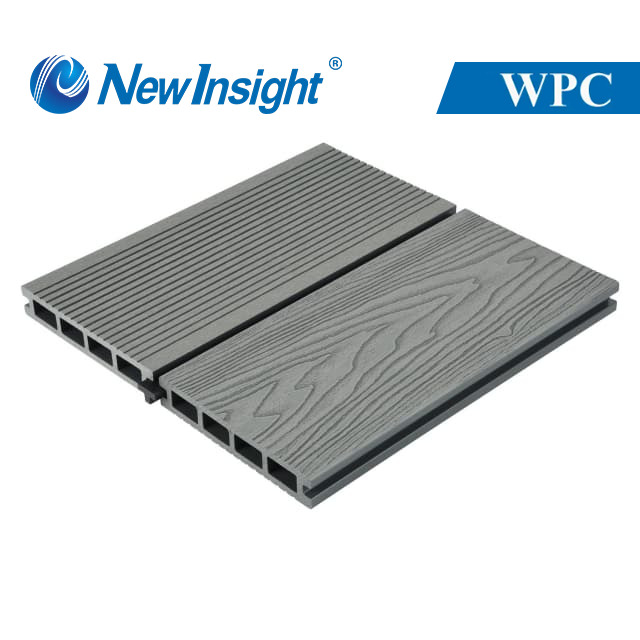
Upgrading your core material fundamentally reduces your required labor. Investing in Reinforced Dual-Surface WPC Decking provides an incredibly durable added layer of wear resistance. These advanced profiles feature stronger, highly engineered polymer blends. The reinforced surface easily repels deep scratches from heavy patio chairs and sharp pet claws. Because dirt cannot settle deeply into tiny gouges, you drastically reduce the required frequency of intense deep cleans. This clear structural advantage directly extends the pristine aesthetic lifespan of your outdoor space.
Evaluation-stage buyers must weigh upfront material costs against long-term maintenance hours carefully. Budget-friendly uncapped boards certainly save money today. However, they demand vigilant daily cleaning and frequent, annoying stain management. Premium capped and reinforced boards require a notably higher initial financial investment. Yet, they return hundreds of saved labor hours over a standard twenty-year lifespan. If you possess a very low tolerance for weekend chores, you must prioritize highly capped materials during your initial selection process.
A predictable, scheduled maintenance routine guarantees decades of reliable performance from composite decking. You effectively protect your investment by keeping the surface clear of abrasive debris, utilizing the correct chemical solutions, and addressing stubborn stains immediately. Small daily habits completely eliminate the need for grueling seasonal restorations. Take action today by auditing your current deck cleaning supplies. Throw away metal brushes and harsh household bleaches right now. If you are currently in the active buying phase, consult with a material specialist. Select a WPC profile perfectly matched to your personal maintenance tolerance and regional weather conditions.
A: No. You must strictly avoid using chlorine bleach. Bleach aggressively attacks the composite polymers. It strips away the color pigmentation and destroys the vital UV stabilizers. Over time, bleach application causes the boards to fade rapidly and become structurally brittle under direct sunlight.
A: You should use the simple ice-pack freezing method. Place a sealed bag of ice directly over the melted gum or plastic. Wait roughly twenty minutes until the substance hardens completely. Once frozen solid, use a gentle plastic putty knife to scrape it off carefully. Never use metal scrapers.
A: Yes, dark-colored boards generally require slightly more visual maintenance. While they resist dark stains well, they highly highlight light-colored debris. Yellow pollen, white dust, and muddy paw prints show up vibrantly against dark grey or deep brown boards. You will need to perform light water rinsing more frequently.
A: No. We strongly warn against utilizing extreme heat. Steam cleaners inject highly concentrated, boiling temperatures directly into the plastic matrix. This intense heat can easily warp the boards or cause the protective composite capping to delaminate from the wood core entirely.