English
Views: 0 Author: Site Editor Publish Time: 2026-10-16 Origin: Site
Many property owners assume composite materials require absolutely zero upkeep. This industry-wide misconception frequently leads to neglected installations. While wood-plastic composites eliminate sanding, staining, and sealing, they still demand strategic environmental management. Property managers invest heavily in composite barriers to reduce long-term operational costs. However, improper cleaning techniques degrade the material over time. Unaddressed minor damages or neglected structural shifts often void warranties and shorten the asset's lifespan significantly. This guide provides a realistic, evidence-based maintenance framework. You will learn how to protect the initial capital investment. We cover methods to ensure structural integrity and maintain aesthetic value over a 20-year lifecycle.
True Lifecycle Cost: WPC fencing significantly lowers long-term expenses by eliminating chemical treatments and recurring labor, limiting maintenance to bi-annual surface cleaning and routine inspections.
Texture-Specific Tactics: Deep woodgrain textures and structural channels require targeted cleaning methods to prevent organic buildup without damaging the composite capping.
Chemical and Pressure Limits: Strict adherence to manufacturer-approved surfactants and low-PSI washing is critical; aggressive chemicals or high-pressure water will permanently compromise the protective polymer shell.
Proactive Structural Checks: Long-term durability relies as much on monitoring thermal expansion gaps, hardware rust prevention, and ground clearance as it does on surface cleanliness.
Traditional timber requires constant vigilance. Wood demands regular applications of weather-resistant sealants, paints, and toxic preservatives. Wrought iron requires rust mitigation, wire brushing, and repainting. Low Maintenance WPC Fence Panels change this dynamic entirely. You save hundreds of labor hours over a single decade. The material resists rot, splintering, and insect damage naturally. You never need to purchase stains or wood preservatives. Airborne dirt, pollen, and environmental pollutants still accumulate on the surface. Neglecting this buildup compromises the visual appeal of the installation. A dirty composite fence looks just as bad as a weathered wood fence. You must establish a baseline of care to keep the panels looking new.
When you install traditional cedar or pine, you commit to a cycle of scraping and staining every three to five years. You spend weekends replacing warped pickets and hammering popped nails back into the rails. Composite materials bypass these structural failures. The extruded core of wood fibers and high-density polyethylene provides immense stability. The outer capping layer acts as a shield against moisture penetration. You trade heavy carpentry work for simple surface washing. This shift in maintenance requirements frees up significant time for property owners and facility crews.
Effective composite maintenance achieves several specific goals simultaneously. First, you must preserve the UV-resistant capping layer. This protective shell prevents color fading and stops moisture from reaching the wood fiber core. Second, you must prevent organic surface growth. Algae and mildew thrive on accumulated dirt, not the composite itself. If you remove the dirt, you remove the food source for the mold. Third, you must ensure unobstructed thermal movement. The panels need physical space to expand and contract with temperature changes. Finally, you must address minor wear promptly. Catching small issues early prevents costly structural failures later. A loose bracket today becomes a torn post tomorrow.
Manufacturers provide extensive warranties for composite products. These guarantees often span 15 to 25 years. Maintaining warranty validity requires strict adherence to specific care guidelines. Improper chemical use remains a leading cause of claim denial. Abrasive cleaning tools also void protections instantly. Factory technicians can easily identify bleach damage or wire brush marks on returned panels. You must document your maintenance routines. Use only approved cleaning agents and methods. Treat the warranty document as your primary operational manual. Deviating from these instructions transfers the financial risk back to you. Keep receipts for the specific composite-safe cleaners you purchase.
Establish a bi-annual cleaning schedule for optimal results. Perform the first wash post-autumn to remove decaying leaves, sap, and debris. Execute the second wash post-spring to clear accumulated pollen and dirt. Properties in high-humidity regions may require quarterly cleaning. Sites near busy roadways accumulate exhaust soot rapidly. Adjust your frequency based on these specific environmental factors. Consistent scheduling prevents dirt from baking into the polymer under intense summer sunlight. If you wait until the dirt hardens, you will spend twice as much time scrubbing the panels.
Never apply water to a dirty fence immediately. This creates a compacted muddy residue that settles into the texture. Always begin with a thorough dry sweep. Use a soft broom to remove loose debris and cobwebs. Brush the surface dirt away gently. Pay special attention to the bottom boards near the soil. Removing dry particulate matter first makes the wet wash significantly more effective. It also prevents abrasive scratching during the scrubbing phase. Sand and grit act like sandpaper if you rub them into the capping layer with a wet sponge.
Follow these exact steps to wash your composite panels safely and effectively:
Prepare a solution of warm water and a mild, non-abrasive soap in a large bucket. Standard liquid dish detergent works exceptionally well for routine cleaning.
Saturate a soft-bristle automotive wash brush with the soapy water.
Apply the brush to the top of the fence panel and work your way down. This top-down approach prevents dirty water from streaking over clean sections.
Scrub the boards with light, even pressure. Let the soap lift the dirt; do not force the bristles into the material.
Rinse the area thoroughly with a standard garden hose immediately after scrubbing. Do not let the soap dry on the boards.
Inspect the rinsed area for missed spots and repeat the process if necessary.
Ensure no soap residue remains on the panels. Dried soap creates a sticky film that attracts new dirt rapidly. A thorough rinse is just as important as the scrub.
Modern manufacturing creates stunning visual textures. Online Embossed WPC Fencing features realistic 3D woodgrain patterns. These designs look vastly superior to flat, glossy plastics. The embossing creates micro-crevices across the surface. Particulate matter and moisture settle easily into these tiny valleys. Standard wiping often glides right over the dirt trapped inside. You must employ targeted tactics to clean these textured surfaces effectively. Ignoring the crevices leads to a dull, grayed appearance over time as the dirt builds up in the grain lines.
Use medium-stiff nylon brushes for embossed panels. Never use metal bristles under any circumstances. Apply your cleaning solution generously to the textured area. Scrub gently along the direction of the grain. Do not scrub across the grain pattern. Following the grain lifts dirt out of the micro-crevices efficiently. Cross-grain scrubbing merely pushes the dirt deeper into the texture. Rinse the brushed area immediately to flush away the suspended particulates. You might need to use a smaller, handheld brush for stubborn spots where the embossing is particularly deep.
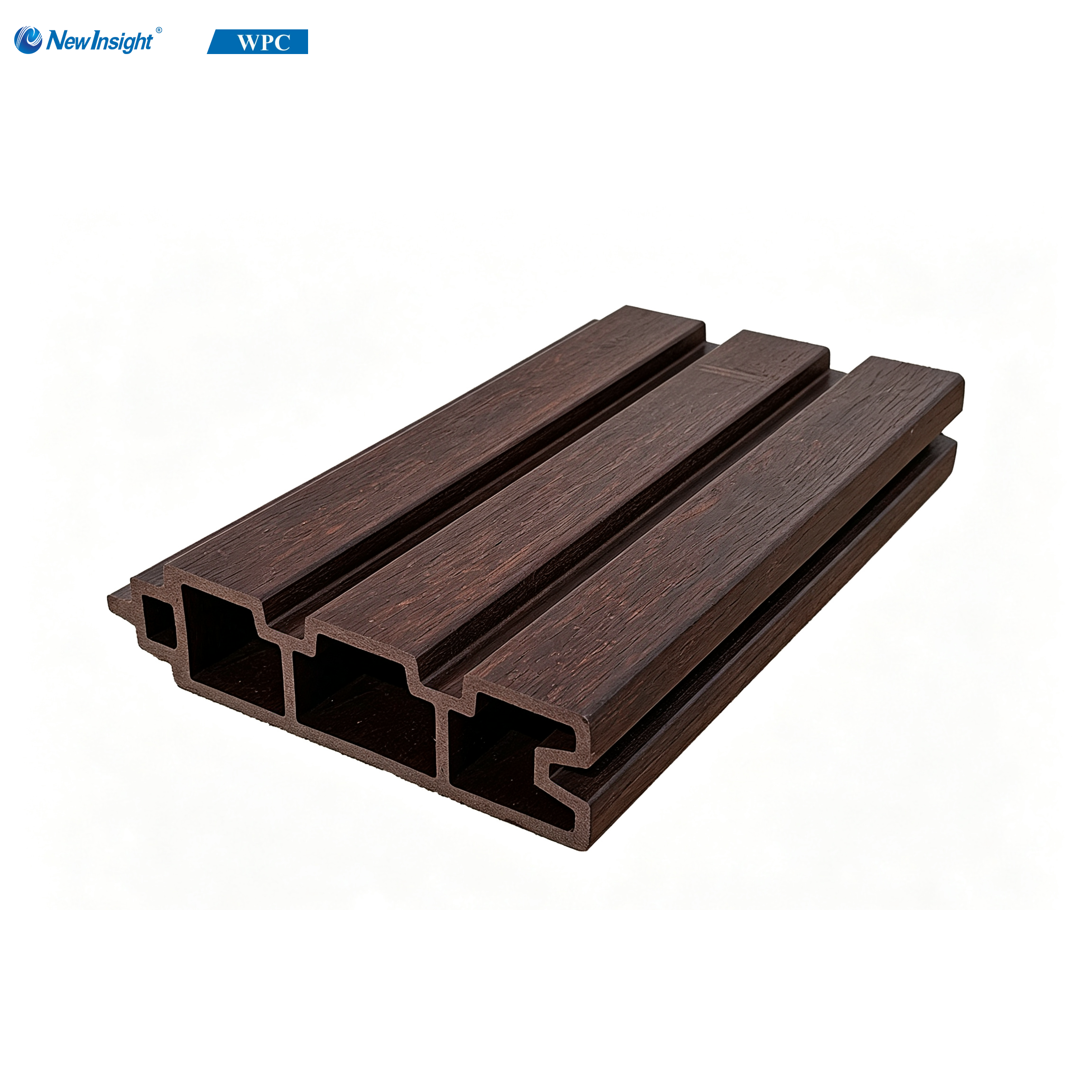
Many modern systems utilize interlocking designs. Grooved WPC Fence Boards feature deep structural channels. These tracks provide excellent wind resistance and privacy by eliminating gaps between the boards. They also act as collection points for organic matter. Pine needles, leaves, and seeds become trapped in the grooves easily. Trapped organic matter retains moisture against the boards. This constant dampness creates an ideal breeding ground for mold and mildew right inside the joints of your fence.
Clear the grooves completely before applying any water. Use a leaf blower to force dry debris out of the channels. Compressed air works well for stubborn, wedged particles. You can also use a specialized narrow brush or a plastic putty knife to sweep the tracks clean. Introducing water to debris-filled grooves creates compacted mud. This mud hardens inside the joints and restricts thermal expansion. Keep the structural channels clear to maintain system integrity. If the boards cannot move, they will warp under the pressure of the summer sun.
Composite materials do not rot or decay like natural wood. The surface can still host organic growth. Pollen, dirt, and tree sap resting on the boards provide a food source. Mold and algae thrive in damp, shaded environments. Fences installed under heavy tree canopies face higher risks. North-facing installations also stay damp longer, encouraging mildew formation. You must address this growth promptly to maintain the visual appeal. The green or black spots you see are growing on the dirt layer, not eating into the plastic.
Avoid harsh chlorine bleach entirely. High-concentration bleach degrades the polymer matrix and causes severe discoloration. Use composite-safe, oxygenated cleaners instead. Sodium percarbonate-based powders are highly effective. Standard household oxygen bleach solutions work well for mild cases. Mix the oxygenated powder with warm water according to the package directions. Apply the foaming solution to the affected area. Let it sit for 15 minutes to break down the organic matter. Scrub gently with a soft brush and rinse thoroughly. The oxygen bubbles lift the algae spores out of the texture without harming the color.
Lawn sprinkler systems frequently spray adjacent fence lines. Groundwater often contains high levels of calcium and magnesium. When this water evaporates on the panels, it leaves white mineral scaling behind. Iron-rich water creates stubborn rust-colored stains. Over time, these mineral deposits build up into a hard, crusty layer. This scaling masks the color and texture of the composite material. Adjusting your sprinkler heads to spray away from the fence is the best preventive measure you can take.
Do not attempt to scrape mineral deposits off the boards. Scraping will gouge the protective capping. Use a mild acid to dissolve the scaling safely. Diluted white vinegar is an excellent, safe solution. Mix equal parts white vinegar and warm water in a spray bottle. Spray the mixture directly onto the hard water stains. Allow it to sit for 10 minutes to neutralize the minerals. Wipe the area with a soft sponge and rinse with clean water. For severe scaling, use specialized composite mineral removers available at hardware stores.
Outdoor dining areas and driveways present unique staining hazards. Splattered grease from a barbecue grill requires immediate attention. Motor oil splashes must be addressed rapidly. Capped composite boards resist stains better than uncapped versions. Lipid-based stains can still bake into the polymer via UV exposure. The longer grease sits in the sun, the harder it becomes to remove. Speed is your best defense against permanent oil stains. Keep a bottle of degreaser handy near your outdoor cooking areas.
Apply a standard household degreaser directly to the fresh stain. Concentrated liquid dish soap cuts through grease effectively. Rub the soap gently into the spot using a soft cloth. Let the degreaser penetrate the oil for several minutes. Rinse the area with hot water to melt and flush the lipids away. Repeat the process if a shadow of the stain remains. Never use industrial solvents or paint thinners on grease spots. These harsh chemicals will melt the plastic capping and ruin the board permanently.
Stain Type | Recommended Cleaning Agent | Application Method | Tools Required |
|---|---|---|---|
General Dirt & Pollen | Warm water + mild dish soap | Scrub top to bottom, rinse well immediately. | Soft-bristle brush, bucket, hose |
Mold, Mildew & Algae | Oxygenated cleaner (Sodium Percarbonate) | Apply foam, let sit 15 mins, scrub gently, rinse. | Nylon brush, spray bottle |
Hard Water & Minerals | Diluted white vinegar (50/50 mix) | Spray on, let sit 10 mins, wipe with sponge, rinse. | Sponge, spray bottle |
Oil, Grease & BBQ | Concentrated dish soap or mild degreaser | Apply directly, rub gently, rinse with hot water. | Microfiber cloth, hot water |
Tree Sap & Resin | Warm soapy water or composite-safe sap remover | Soak the sap to soften it, gently peel away, wash area. | Plastic putty knife, sponge |
Composite materials react dynamically to temperature fluctuations. The plastic matrix expands when heated by the sun. It contracts when temperatures drop at night. Manufacturers engineer specific expansion gaps into the installation systems to accommodate this movement. If these gaps close entirely, the boards will buckle under the pressure. If the boards cannot contract smoothly, the mounting hardware may tear through the material. Understanding this physical reality is critical for long-term fence management.
Conduct an annual inspection of all thermal expansion gaps. Check the spaces at the board ends carefully. Verify that the gaps within the framing channels remain clear. Compacted dirt, ice, or debris can fill these spaces over time. Use a stiff plastic putty knife to clear obstructed gaps. Never force the boards apart with metal pry bars. Ensuring unobstructed movement prevents warping and structural failure. Pay close attention to the gaps during the hottest part of the summer to ensure they have not closed completely.
The longevity of the fence relies heavily on its structural supports. Shift your focus from the composite boards to the framing system. Check aluminum or steel posts for plumb using a standard 4-foot level. Ground settling can cause posts to lean over time. Ensure that all mounting brackets, hinges, and wind-load stabilizers remain securely fastened. Loose hardware allows the panels to rattle and vibrate in high winds. This vibration causes the screw holes in the composite to wallow out and fail.
Pay close attention to hardware compatibility. Using mismatched metals causes galvanic corrosion. Always use stainless steel or specifically coated exterior screws for repairs. Localized degradation around a rusting screw compromises the entire panel. Lubricate metal gate hinges annually with a silicone-based spray. This prevents rust and ensures smooth operation. Maintaining the hardware ensures the structural framework matches the longevity of the panels. A composite fence is only as strong as the metal brackets holding it together.
Flying debris, lawnmowers, and moving furniture can scratch the fence surface. You must address minor damage promptly before it worsens. Deep gouges expose the inner core of the material to moisture. While the core resists rot, exposed wood fibers can swell slightly. Prompt repair maintains the aesthetic value of the property line. It also prevents dirt from embedding permanently into the scratched grooves. A quick fix today saves you from replacing an entire panel next year.
Treatment methods vary based on the board type. Uncapped boards sometimes respond well to carefully applied heat. A heat gun can blend minor scuffs by slightly melting the surface polymer. Exercise extreme caution to avoid burning the plastic. Capped boards require different tactics. Use manufacturer-approved touch-up pens to color-match shallow scratches. Deep gouges generally cannot be sanded out. Severe damage usually requires complete board replacement to restore integrity. Keep a few spare boards from the original installation for this exact purpose.
Proper airflow is critical for composite longevity. You must maintain a minimum clearance between the bottom fence board and the soil. Most manufacturers recommend at least a two-inch gap. This clearance prevents the boards from sitting in standing water after heavy rain. Continuous moisture wicking degrades the material over decades. It also encourages aggressive algae growth along the base of the installation. If your fence touches the dirt, you are inviting moisture problems.
Monitor the landscaping immediately surrounding the fence line. Trim back encroaching vegetation and dense bushes. Plants resting against the boards trap moisture and restrict airflow. Adjust your mulch beds annually. Fresh mulch often piles up against the bottom panels. Rake the mulch away to restore the necessary ground clearance. Good drainage and ventilation keep the composite dry and structurally sound. Ensure your yard grading directs rainwater away from the fence posts to prevent soil erosion.
Many property owners default to aggressive power washing for outdoor cleaning. This is a critical mistake for composite materials. Exceeding 1,500 PSI will score the composite surface permanently. High pressure strips the UV capping right off the board. It can also force water deep into the material core, causing swelling. A damaged capping layer leaves the fence vulnerable to rapid fading and severe staining. Once you blast the capping off, you cannot repair it.
If you must use a power washer, adhere to strict safety parameters. Keep the pressure dialed below 1,500 PSI. Always use a wide fan tip, ensuring the angle is no less than 30 degrees. Maintain a minimum distance of 12 inches between the nozzle and the fence surface. Keep the wand moving constantly. Never focus the spray on a single spot to blast away stubborn dirt. Test your pressure washer on an inconspicuous area before washing the main panels.
The polymer shell of a composite fence reacts poorly to harsh chemicals. You must avoid acetone, paint thinners, and industrial solvents entirely. These chemicals melt the plastic matrix instantly. High-concentration sodium hypochlorite, commonly known as bleach, is equally destructive. Bleach causes irreversible discoloration and spotting. It also leads to the embrittlement of the plastic, making the boards prone to cracking under impact. Stick to mild soaps and oxygenated cleaners to protect your investment.
Never attempt to scrub away stains with aggressive tools. Steel wool will permanently mar the finish. Wire brushes tear through the protective capping effortlessly. Abrasive scouring pads leave microscopic scratches across the entire surface. These scratches ruin the visual finish. Worse, they create thousands of new vectors for dirt and pollen accumulation. Always stick to soft-bristle brushes, sponges, and microfiber cloths. Let the chemical action of the soap do the heavy lifting, not the physical force of the brush.
Audit your property's environmental factors to identify high-risk zones for algae growth or hard water stains.
Establish a recurring calendar reminder for post-autumn and post-spring surface cleaning to prevent dirt buildup.
Stock your maintenance shed with soft-bristle brushes, mild dish soap, and oxygenated cleaners specifically for the fence.
Review your specific manufacturer maintenance guidelines to ensure your cleaning methods comply with warranty requirements.
Adjust your lawn sprinklers and trim back landscaping to maintain proper ground clearance and airflow around the bottom boards.
A: Yes, but with strict limitations. Keep the pressure below 1,500 PSI. Use a wide fan tip of at least 30 degrees. Maintain a minimum distance of 12 inches from the surface. Never use pinpoint nozzles, as high pressure strips the protective UV capping and scores the material permanently.
A: High-quality capped composites feature advanced UV inhibitors that prevent severe fading. You may notice a very slight, uniform color stabilization during the first few months of sun exposure. After this initial weathering period, the color remains highly consistent for the lifespan of the product.
A: Use an oxygenated cleaner like sodium percarbonate mixed with warm water. Apply the foaming solution to the algae and let it sit for 15 minutes. Scrub gently with a soft-bristle nylon brush, then rinse thoroughly. Never use chlorine bleach, as it damages the polymer and causes discoloration.
A: No. Wood-plastic composites are manufactured with integrated colors and protective capping. They never require painting, staining, or waterproofing sealants. Applying traditional wood sealers or paints to a composite surface creates a peeling mess, as the material cannot absorb them.
A: Address bird droppings as quickly as possible, as they are highly acidic. Soften the droppings with warm, soapy water. Let the soap sit for a few minutes to break down the hardened material. Wipe it away gently with a soft sponge and rinse with a hose.
A: For capped composite boards, use manufacturer-approved touch-up pens to color-match and conceal shallow scratches. For uncapped boards, a heat gun can sometimes blend minor scuffs by slightly softening the polymer. Deep gouges cannot be sanded out and usually require board replacement.